
Tuesday: Become a Disciple, Not Just a Spectator
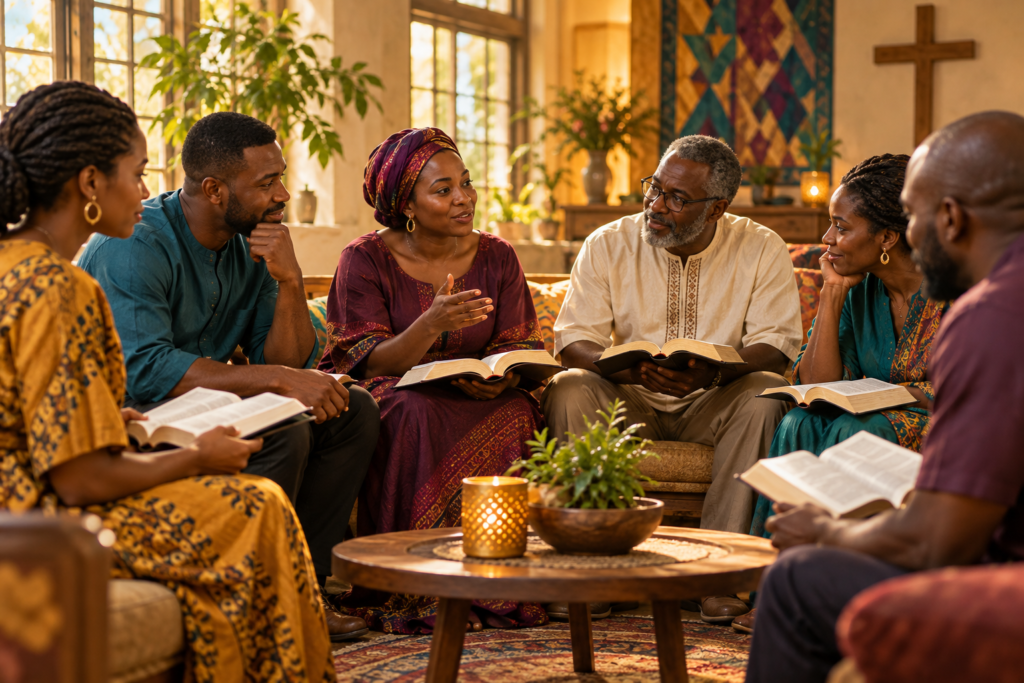
It is possible to be present in a room without becoming involved in what happens there. We know this from meetings, classrooms and family conversations. We can hear the words, recognise the familiar moments and leave almost unchanged. Church life can become familiar in the same way.
In Christian Faith Is Better, Pastor Dolapo Lawal draws attention to the difference between gathering a crowd and forming disciples. This original reflection considers what that difference can mean in an ordinary week. The question is not whether a service was enjoyable. It is whether we are learning to follow Jesus through what we heard.
Listen for something to practise
Read John 6:60–69. Some listeners found Jesus’ teaching difficult and turned away. Peter’s response points to a relationship deeper than convenience: he recognised that Jesus offered the life they needed. Discipleship includes learning to remain attentive when a teaching stretches us.
That does not mean abandoning careful thought. Christians should examine teaching against Scripture, ask honest questions and seek wise counsel. Following Jesus is not permission for manipulation or an obligation to accept every demand a religious leader makes. It is a commitment to learn his way and let truth reshape us.
A practical difference between a spectator and a learner is the question each brings. A spectator may ask whether the experience met an expectation. A learner also asks what to understand, what to change and what to practise. Both may enjoy the gathering, but only one has made space for a response.
Choose one next step
Think about the most recent message you heard. What is one idea you could explain in your own words? If the answer is unclear, return to your notes or listen again to a short section. The aim is not to remember every sentence. It is to grasp enough to respond with understanding.
Now choose an action small enough to complete today. If the teaching concerned forgiveness, begin an honest conversation rather than making a vague promise to be nicer. If it concerned prayer, set aside an actual time. If it concerned generosity, decide what you can share responsibly.
Small steps matter because intention is easily lost in a busy week. A written plan connects Sunday’s attention with Tuesday’s decisions. It also reveals where we need help. If the same step remains difficult, that is useful information for prayer and a conversation with someone mature in faith.
Make room for growth with others
Discipleship is personal, but it need not be solitary. A Bible study group can help us notice what we missed. A trusted friend can ask whether we followed through. A church community can provide care when circumstances make our usual routines harder.
Participation should fit real responsibilities and capacity. A parent caring for a sick child or someone working an unavoidable shift is not less valuable to God because attendance is difficult. The deeper invitation is to pursue meaningful learning and connection through the opportunities available, rather than settling for passive consumption.
Consider making one purposeful connection this week. Ask a question after a study, encourage a fellow member or offer to help with a task you can sustain. Learning becomes more grounded when we belong to people whose lives we know and whose needs we can notice.
At the end of today, spend two minutes reviewing the action you chose. Give thanks for any progress. If you avoided it, name the obstacle without making excuses or attacking yourself. Tomorrow offers another opportunity to practise.
Reflect: What would change if I approached the next service ready to respond, rather than only ready to receive?
Prayer: Jesus, teach me to follow you with understanding. Help me turn what I hear into faithful action, seek help when I need it and grow alongside others with humility. Amen.
Share this message
Join the conversation
Be the first to share a reflection.